
Surge Protection
A power surge is a sudden increase in voltage that can last for a fraction of a second. Modern appliances contain electronic circuit boards that are much more sensitive than older mechanical appliances. A surge that might have gone unnoticed years ago can now damage a refrigerator control board or a smart appliance, resulting in expensive repairs.
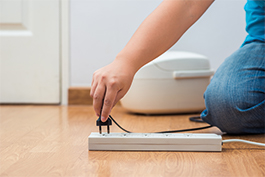
What is a power surge and why is it a problem?
Every small surge deteriorates the electronic components in this equipment, which can drastically shorten their designed life. The average home has 2,200 or more surges annually. These surges can be generated from several sources, such as heaters, dryers, garage door openers and motors starting on air conditioners, freezers, and well-pumps. Most of these surges are so small the average consumer does not see the damage they cause. However, your electronics take a constant “pounding.” When a thunderstorm strikes, the electronic components may fail and you may think lightning caused the damage. In reality, the product was already on the brink of failing because of the many constant low-level surges from your own equipment. Whole-house protection with proper grounding and end-use protection for each piece of equipment will give you the best possible protection available. Think of a whole-home surge protector as the first line of defense for your entire electrical system. A whole-home surge protector is installed at your home's meter base and helps protect all circuits in the home from voltage spikes. Individual surge strips provide a second layer of protection for your most sensitive devices. Appliances without surge protection are more vulnerable to damage when a power surge occurs. Without surge protection, an appliance may experience:
- Immediate failure: Sensitive electronic components can burn out instantly.
- Reduced lifespan: Even small, repeated surges can gradually degrade internal circuitry.
- Intermittent problems: Devices may continue to operate but develop erratic behavior, such as resets, display issues, or communication failures.
- Hidden damage: Components can be weakened without obvious signs, leading to premature failure weeks or months later.
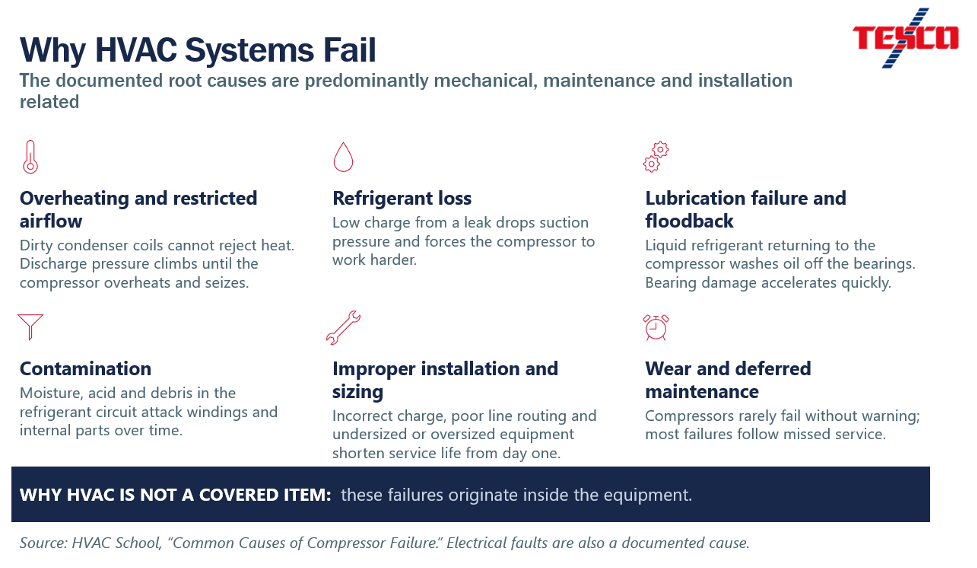
HVAC is not a covered item, here’s why:
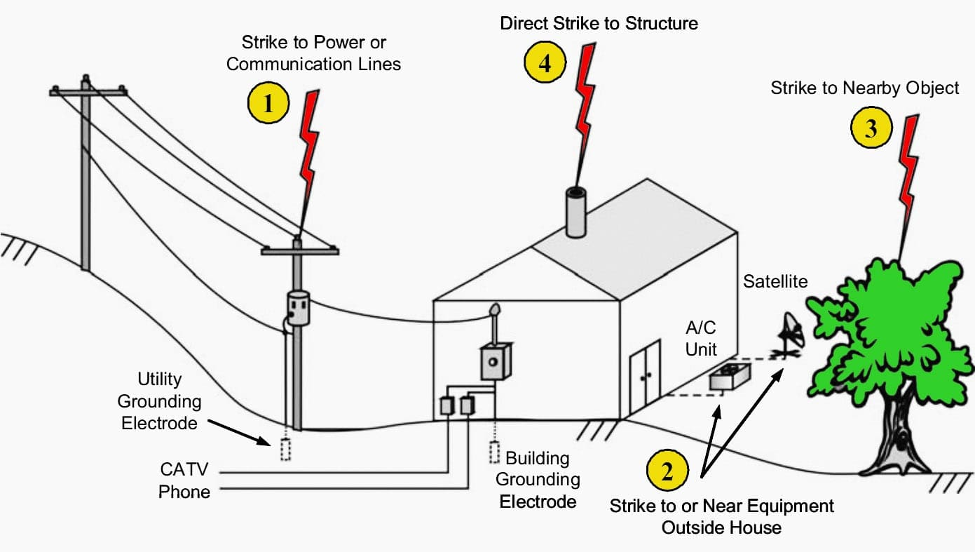
Lighting Path
Be aware that a high voltage surge can enter equipment through paths other than the power supply. These paths include strikes to or near equipment outside the home, strikes to a nearby object, and direct strikes to your structure. Surge protectors for the antenna, cable, and phones lines must be plugged into a grounded three-prong outlet to protect your equipment. Our program provides defense for strikes to our power or communication lines that pass through your meter base.
Protection Program
This program is not an insurance policy; it is first line protection.
SSVEC’s Power Protection Program consists of a whole-home surge protector that is installed at your home's main electrical panel meter base and helps protect all circuits in the home from voltage spikes. SSVEC does not provide protection plans for large power or agriculture services.
This provides coverage for the common appliances within your home. To protect sensitive electronic equipment, we include a “basic” starter package with the program. We include an 8-outlet computer grade plug-strip w/ phone plug, 2 coaxes to protect TV antenna, cable TV, and satellite dish system. A single module to protect a microwave or garage door opener, a module to protect a phone line, and a 3-plug module.
The program is a 36-month minimum lease that has an initial start-up fee of $79.95 with a monthly fee of $8.95. The monthly fee will continue as long as you want the warranty protection. The plug-in modules have a life-time replacement and repair warranty and SSVEC will maintain the whole house module as long as you remain with the program. In all plans, the inside modules are yours and SSVEC will own and maintain the whole-home surge protector. Be sure to read about warranty, claims, and what is covered before signing up.
Common Questions
You may initiate the process over the phone. If you cannot stop by your local SSVEC office, we can mail you the forms for you to sign and return with the initial start-up fee.
Yes, the whole home surge protector provides the first line of defense. Any additional protection you can provide your appliances is recommended. To purchase additional TESCO surge protection strips please contact your local SSVEC office.
You can purchase additional module units if you have more than one computer, TV, microwave oven, etc. In the case of a damage claim, you may be required to submit the individual module, and we will inspect the whole-house unit.
You must file a claim within 14 days of the damage. Call SSVEC Member Services team to report damage to the whole home surge protector at your meter base. SSVEC’s team will then come and inspect the collar. If there is damage, we will replace the protector on site and provide you with the Warranty Response Form. After you have reported the failure to SSVEC you must call the manufacturer TESCO: 1-800-426-2826 to start the claim process. Email: info@tesco-online.com , website: http://www.tesco-online.com/contact/
Yes, if you have a damage claim, we will inspect and replace (if necessary) the whole-house unit.
Yes. You can choose to continue with the lease program at your current monthly rate (plus tax). The rate you start with will remain the same while on the Surge Program.
This program is not an insurance policy; it is first line protection.